
Bulgaria FMCG Market Update 2026: Milka, Oreo and the Holiday Confectionery Opportunity
What Bulgaria’s latest FMCG figures mean for confectionery buyers
Bulgaria’s food retail market enters the final quarter of 2026 with a useful signal for wholesalers and retailers. According to the National Statistical Institute, turnover in retail sales of food, beverages and tobacco rose 7.5% year on year in July 2026 at constant prices. The category also grew 3.2% from June on a seasonally adjusted basis. These figures cover a broad group of products; they do not measure chocolate or biscuit sales separately. They do, however, provide a timely backdrop for planning the autumn and New Year assortment.
For a confectionery buyer, the question is how to turn a broad market signal into a sensible product mix. Familiar names such as Milka, Oreo and other branded sweets give shoppers an easy point of recognition, while pack size, shelf placement and seasonal presentation determine how well a range fits each sales channel.
Why Mondelēz matters to the Bulgarian market
Mondelēz International has a substantial local manufacturing footprint. The company describes its Svoge chocolate plant as one of Bulgaria’s major modernised chocolate production sites and identifies Svoge as the birthplace of Milka Peanut Caramel. Its Bulgarian operations also include a bakery plant in Kazichene. Mondelēz lists Milka among its chocolate brands and Oreo among its biscuit brands.
This local connection makes the brands relevant to a Bulgaria-focused FMCG article, but buyers should still check the origin and market-specific labelling of each individual SKU. A product sold under an international brand does not necessarily come from the same factory in every market.
Building a Milka and Oreo assortment for different channels
An effective confectionery wholesale range starts with the customer and the store format:
Convenience and impulse retail: compact chocolate and biscuit packs can fit checkout zones and small displays.
Supermarkets: core Milka tablets, Oreo biscuits and complementary formats can offer shoppers choice across price points.
Gift and seasonal displays: selected branded sweets can be grouped by occasion, with shelf space reserved for verified holiday SKUs when available.
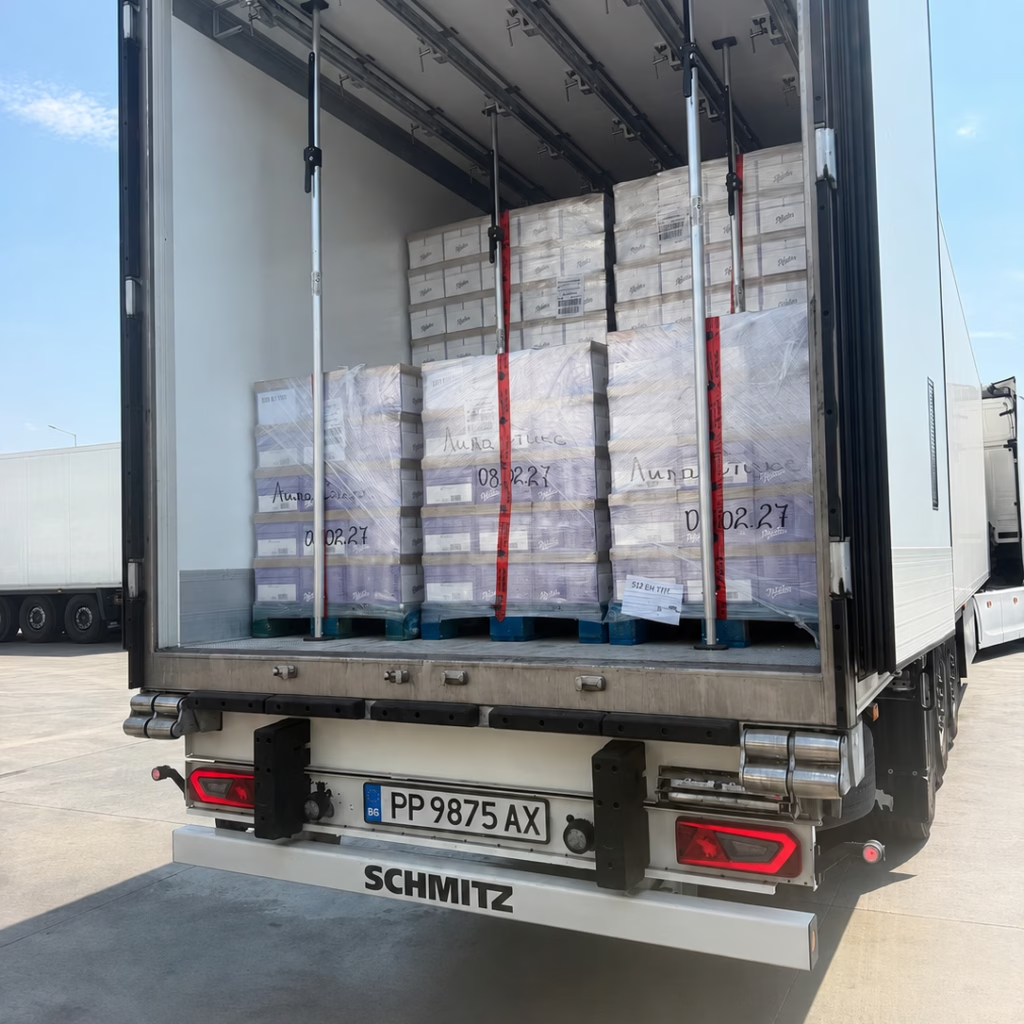
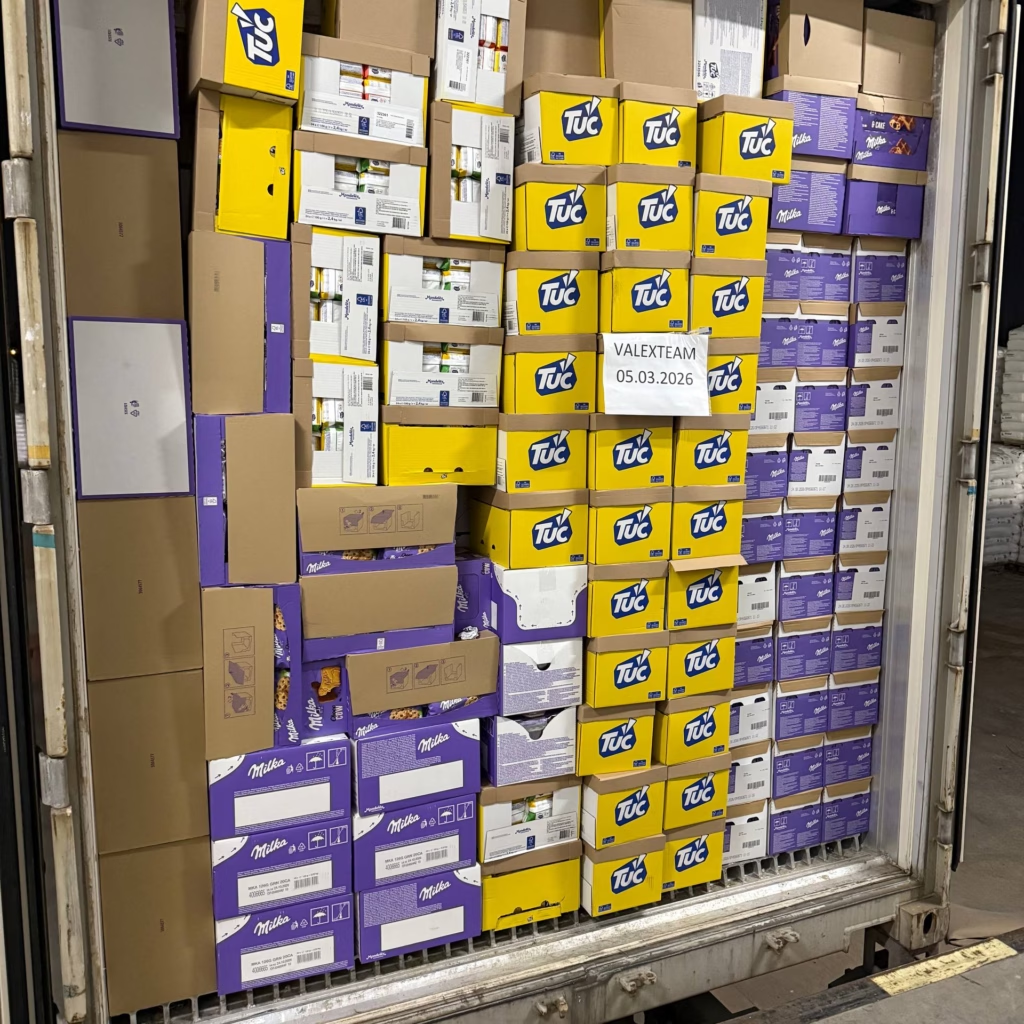
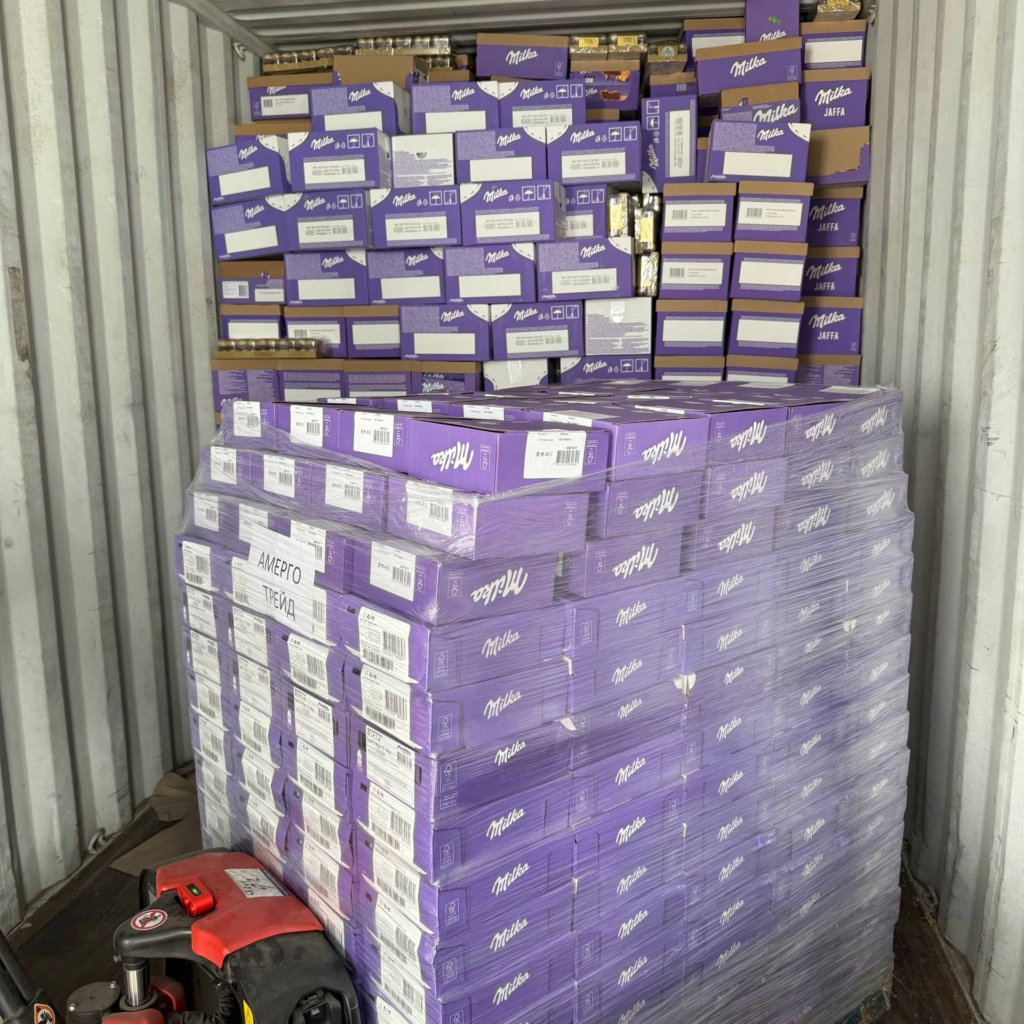
Mixed-load B2B orders: combining confectionery with other FMCG categories can help distributors plan a broader shipment around their actual demand.
Product pages work best when they answer practical buying questions: exact variant and weight, case quantity, pallet configuration, best-before date, intended market and current availability. Those details also help search visitors decide whether to request an offer.
Planning for the New Year Milka collection
Searches for “New Year Milka collection” may come from buyers looking for seasonal packaging, gift formats or limited assortments. Before advertising a holiday item, confirm its EAN, product name, pack image, intended market, language requirements, best-before date and stock position with the supplier.
For autumn purchasing, a practical approach is to secure core Milka and Oreo items first, then add confirmed seasonal SKUs as supplier lists arrive. This gives retailers a dependable base assortment while preserving room for New Year displays. Order timing should account for transport, shelf setup and the short selling window of festive products.
What to watch next
The July figures point to growth in the wider food, beverage and tobacco retail group, but they do not establish a forecast for confectionery. Buyers should compare that national signal with their own sales, price points and available shelf space. For branded sweets, the strongest decision is a range tailored to the channel, with product specifications and seasonal availability checked before an order is placed.
Valex Team works with wholesalers, importers and retailers on FMCG sourcing, consolidation, multilingual labelling and international delivery. Explore our Confectionery & Snacks category or contact us for an up-to-date offer on Milka, Oreo and other branded sweets. Availability, packaging and commercial terms are confirmed for each enquiry.
Copyright ValexTeam © 2020. All Rights Reserved | Privacy Policy